Slow-Cooked Red Curry Beef Cheeks
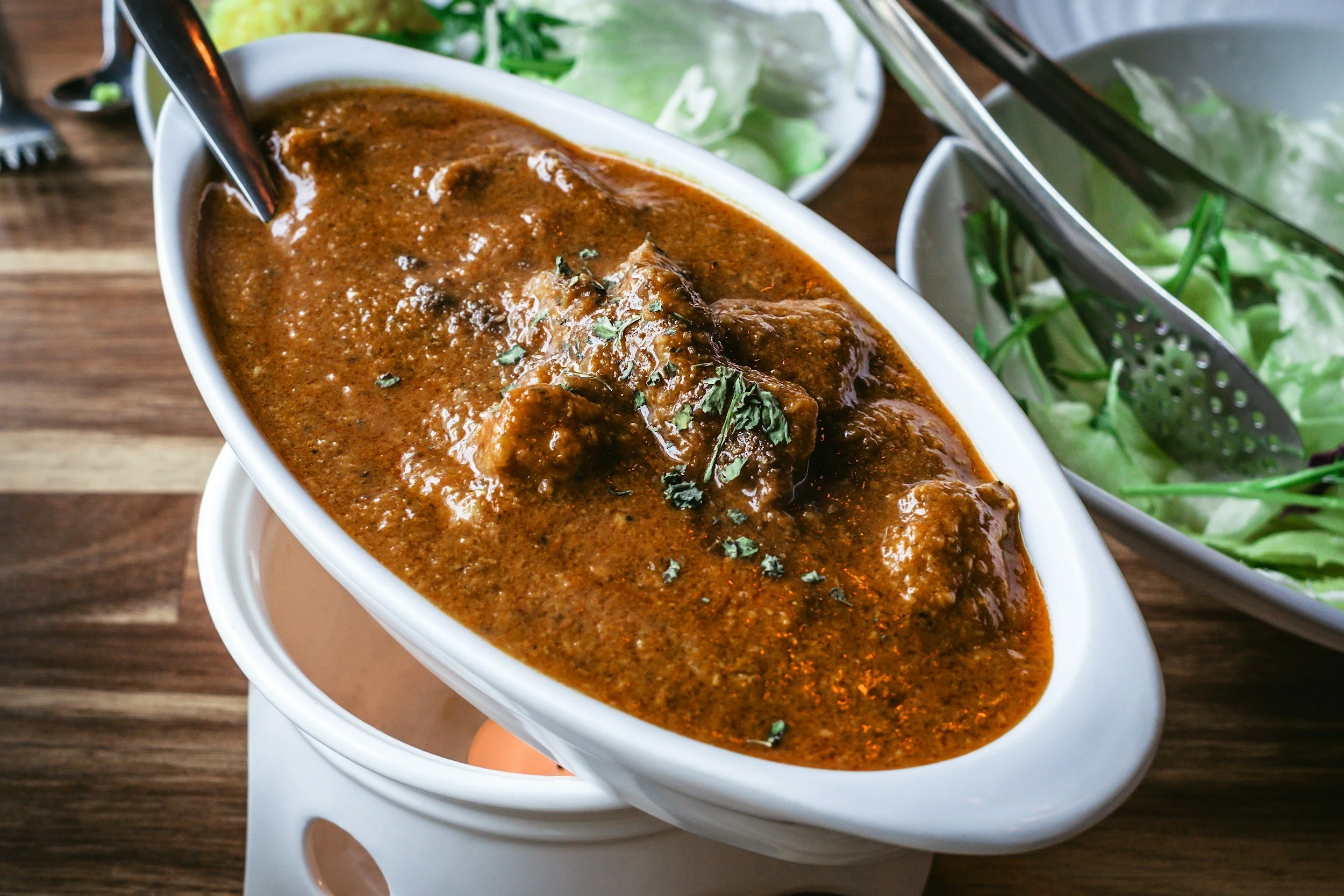
I'm someone who doesn't like spending hours in the kitchen. But as a Nutritionist, I am very invested in what my food does for my body. This recipe is the sweet spot: 15 minutes of prep, a slow cooker doing the heavy lifting, and a collagen-rich meal that supports your gut, your skin, and your hormones all in one bowl.
Why this recipe works for your body
Gut health — Slow cooking breaks down connective tissue into gelatin, which soothes and supports the gut lining. It's also significantly easier to digest than most other proteins, making it a great option if your digestion needs some love.
Skin & collagen — Beef cheeks and bone broth are naturally rich in collagen precursors, the building blocks your skin uses for elasticity and structure. Eating collagen-supporting foods is one of the most underrated things you can do for your skin from the inside out.
Hormones — Grass-fed beef provides zinc and healthy fats, both critical for hormone production. The ghee adds fat-soluble vitamins A, D, E, and K, which support everything from skin cell turnover to reproductive hormones.
Ingredients
1–1.3kg grass-fed beef cheeks (room temp)
½ cup red curry paste (adjust to your spice preference)
400ml coconut cream
1 tbsp bone broth concentrate (e.g. Best of Bone Broth)
2 medium sweet potatoes
1 carrot, diced
2 tbsp grass-fed ghee
Sea salt & pepper
Method
Chop sweet potato into large cubes and spread across the bottom of your slow cooker.
Heat ghee in a frying pan, add curry paste, and stir until fragrant.
Blend the curry paste with coconut cream until combined.
Place the beef cheeks on top of the sweet potato. Add carrot.
Pour the curry coconut mixture over the top and add bone broth concentrate.
Slow cook on low for 6–8 hours, until the meat falls apart easily.
Serve with cooked and cooled basmati rice, steamed broccoli, and roasted pumpkin. Cooling the rice increases its resistant starch content (an extra win for your gut microbiome).
Braised collagen-rich cuts like beef cheeks are one of the most underrated things you can do for gut and skin health through food. The longer the cook, the more gelatin releases into the sauce.
Histamine sensitive? Beef cheeks are best eaten fresh or frozen on the day of cooking. Histamine levels rise the longer cooked meat sits in the fridge, so portion and freeze what you won't eat within 24 hours.